Guide
Things to do in Valencia: a guide by area, with transport and tickets
Things to do in Valencia by area: Ciutat Vella, Ruzafa, City of Arts and Sciences, Cabanyal, Albufera, with metro, tram and EMT. Lonja and Serranos, €2.
In short
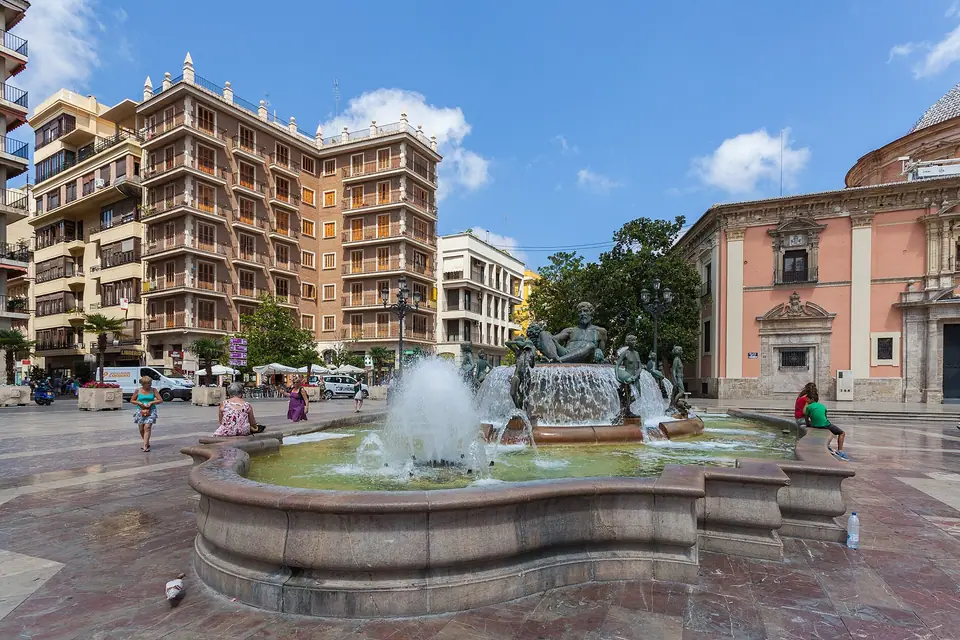
Valencia is best seen by area: Ciutat Vella (cathedral, Micalet, Lonja, Central Market and Serranos Towers), Ruzafa and the Eixample, the old Turia riverbed with the City of Arts and Sciences, the seafront, the Albufera and day trips. Almost everything is within reach on foot, by metro, tram or EMT bus; the Lonja and the Serranos Towers cost €2.
Valencia works well by area, and almost everything is within reach on foot, by metro, by tram or on an EMT bus. This guide goes from the centre outwards: the old town, Ruzafa and the Eixample, the old Turia riverbed with the City of Arts and Sciences, the seafront, the Albufera and day trips.
It covers what we could check in public sources (consulted 21 November 2026). Where a source gives no opening time or price, we point you to the official website instead of guessing.
Ready to book
- Oceanogràfic: general admissionfrom €37 · 3 h–4 h Book on Tiqets (opens in a new tab)
- Valencia Tourist Card, 24, 48 or 72 hoursfrom €17 Book on Tiqets (opens in a new tab)
Some links are affiliate links: book through them and we may earn a commission, with no extra cost to you. What affiliate links are
Ciutat Vella: cathedral, Micalet, Lonja, Central Market, towers and El Carme
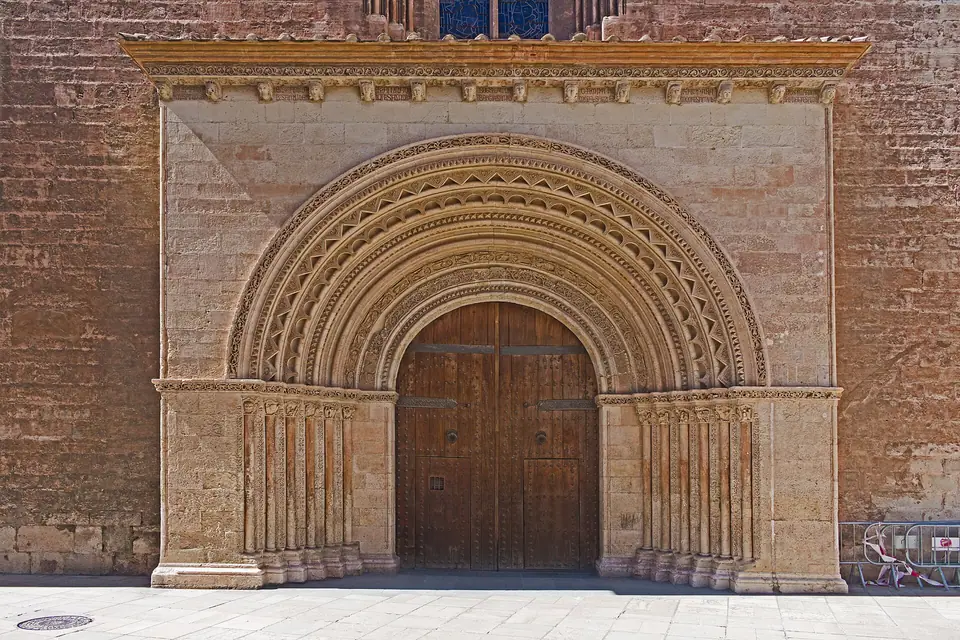
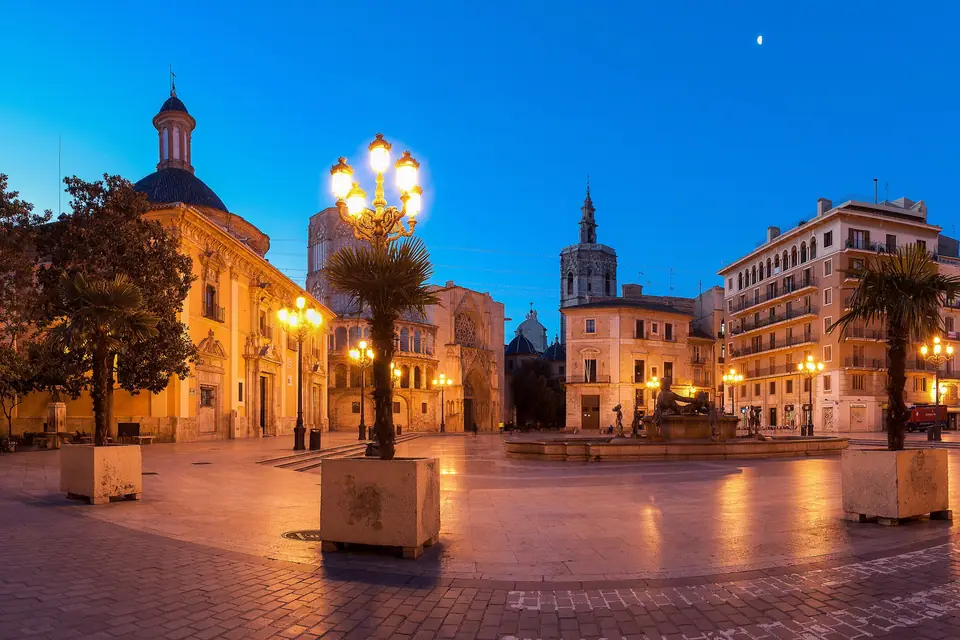
Most of the classics are in Ciutat Vella. Visit València lists the cathedral and the Holy Chalice, El Miguelete (the Micalet bell tower), the Silk Exchange (Lonja), the Central Market and the Serranos Towers. According to the same source the Lonja is a UNESCO World Heritage site and an example of civil Gothic. The Quart Towers can also be visited.
El Carme is the medieval quarter, where Visit València places much of the city’s early history. It is a good place to wander without a plan. You can see the tickets for each monument in the cards below; opening times and prices are on each listing.
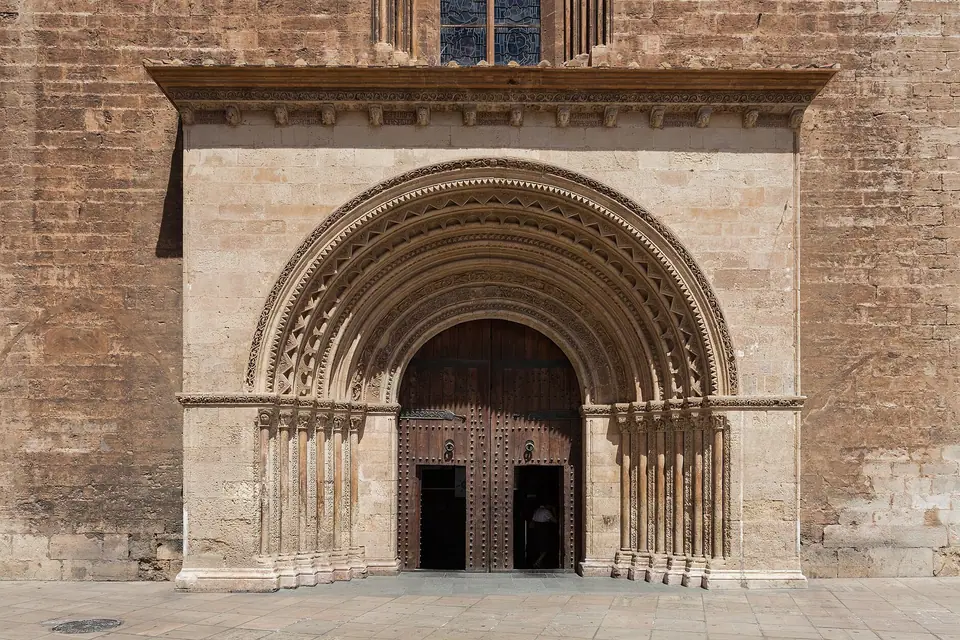
Catedral de València (Cabildo Metropolitano)
Valencia Cathedral and Holy Chalice: cultural visit
Audioguide visit to the cathedral and the Holy Chalice chapel; the Micalet tower is a separate ticket.
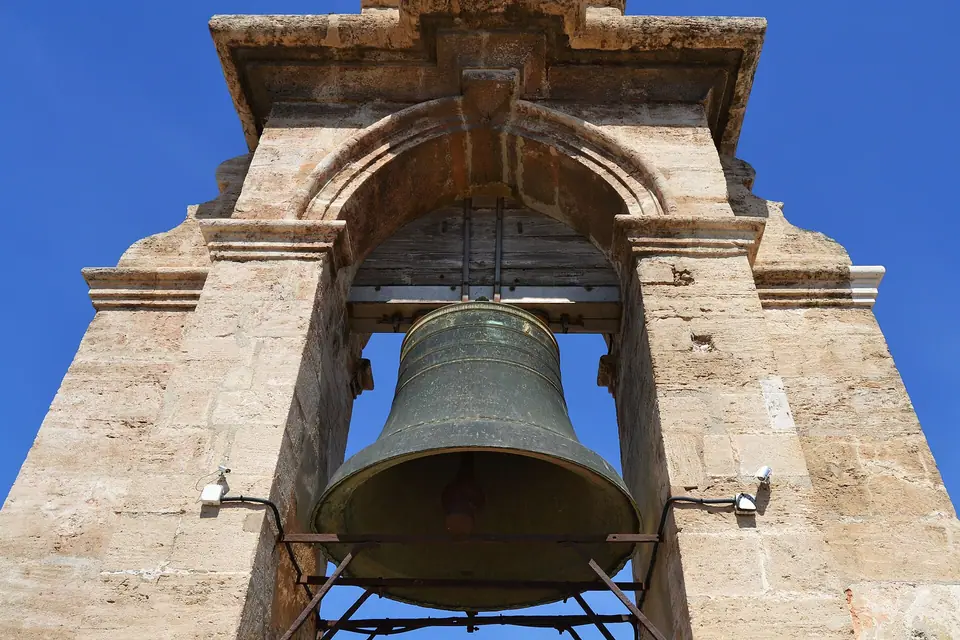
Catedral de València (Cabildo Metropolitano)
El Micalet: bell tower climb
Climb of the cathedral bell tower up a 207-step spiral staircase.
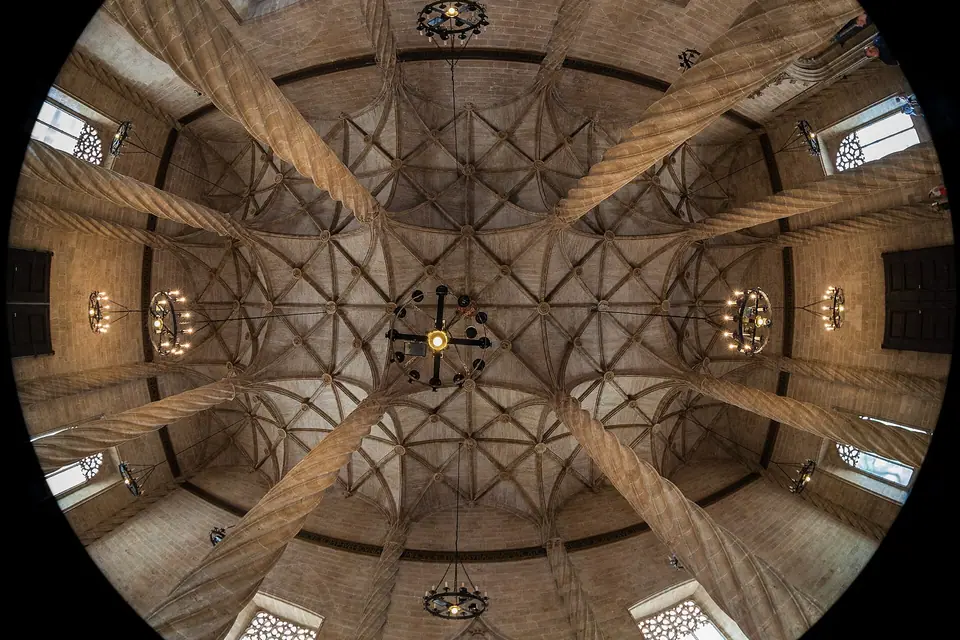
Museus i monuments municipals (Ajuntament de València)
Silk Exchange (La Lonja): admission
Admission to the Gothic exchange hall, a World Heritage site, at €2.
Museus i monuments municipals (Ajuntament de València)
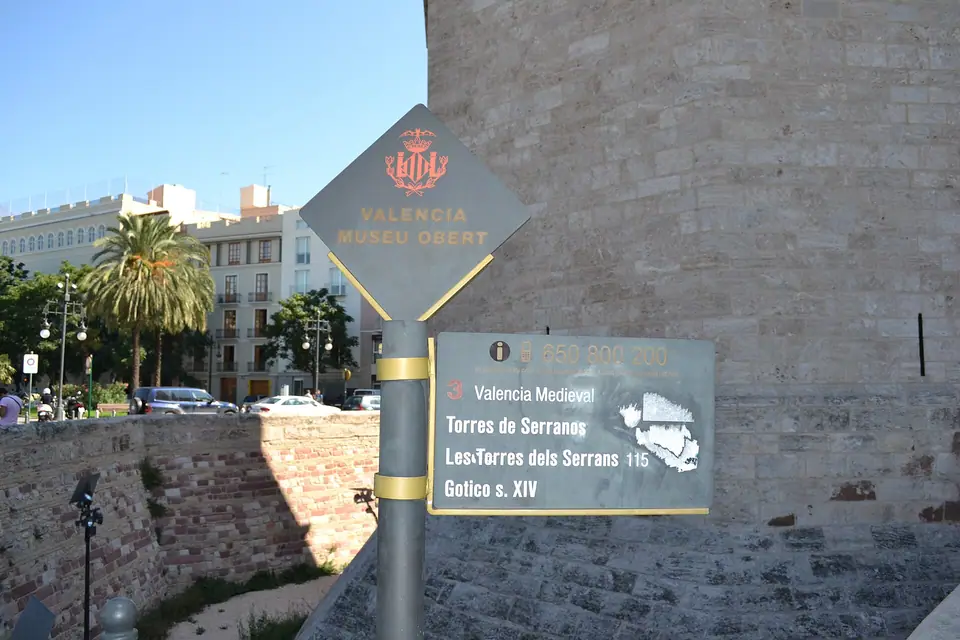
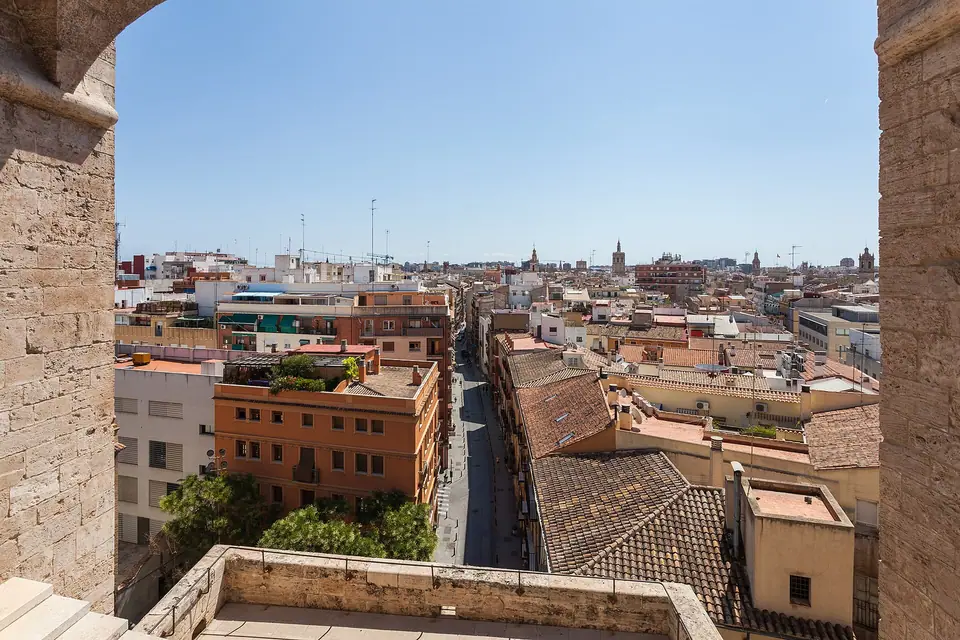
Serranos Towers: visit
Visit to the medieval city gate, admission €2.
Museus i monuments municipals (Ajuntament de València)
Quart Towers: visit
Visit to the old western gate of the city wall, admission €2.
Museus i monuments municipals (Ajuntament de València)
Almoina Archaeological Centre
Roman and Visigothic remains under the cathedral square; the centre may be closed for works.
Centre del Carme Cultura Contemporània
Centre del Carme Contemporary Culture
Contemporary art centre in a former convent in the Carmen quarter, free admission.
Ciutat Vella walking food tour
Walk of 3 to 3.5 hours with 4 to 6 stops to taste Valencian food and horchata, in English with up to 12 people.
Ruzafa and the Eixample: Colón Market and Estació del Nord
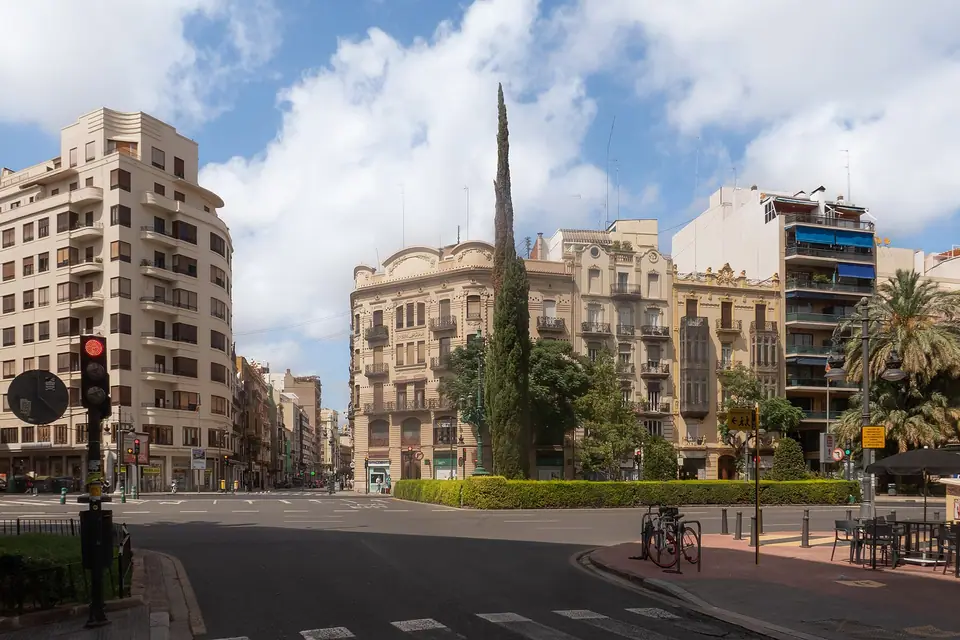
According to Visit València, Ruzafa is the district of the creative scene. Next to it, in the Eixample, are two buildings that Wikipedia lists among the early 20th-century modernist architecture: the Colón Market and Estació del Nord. They are an easy short walk from the centre and make a good coffee stop.
If you like cooking, Ruzafa has paella classes that include a visit to the neighbourhood market (cards below).
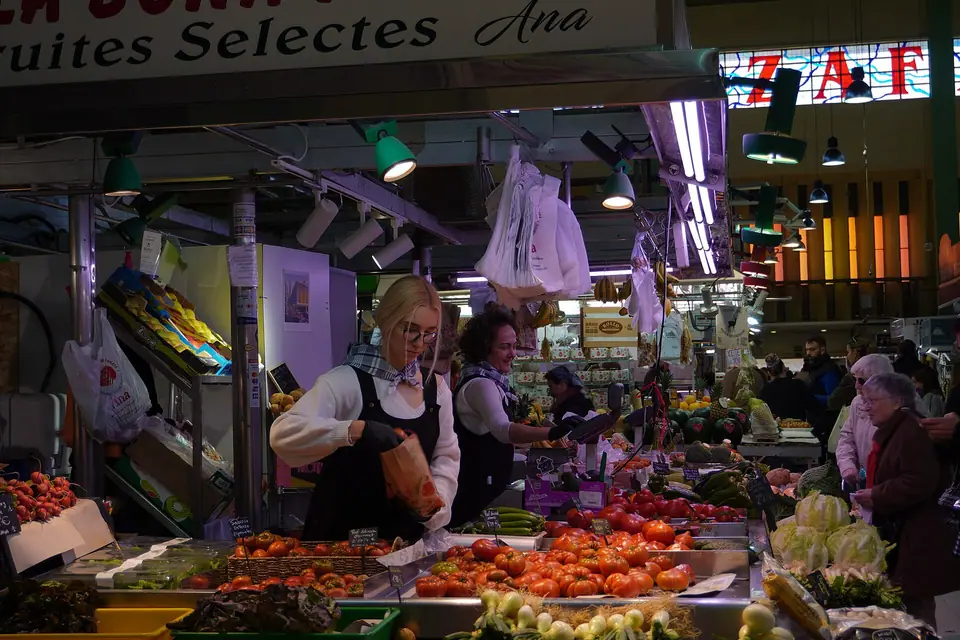
Valencian paella class with a Ruzafa market visit
Hands-on class of about 3.5 hours that starts at the Ruzafa market and ends with eating the paella you cooked.
Seafood paella class with a Ruzafa market visit
Hands-on seafood paella class that starts at the Ruzafa market and ends with eating what you cooked.
Dinner with flamenco show at La Bulería
Dinner and flamenco show by a dance company, Wednesday to Sunday, with menus from 42 EUR for under-12s.
Turia Garden and the City of Arts and Sciences
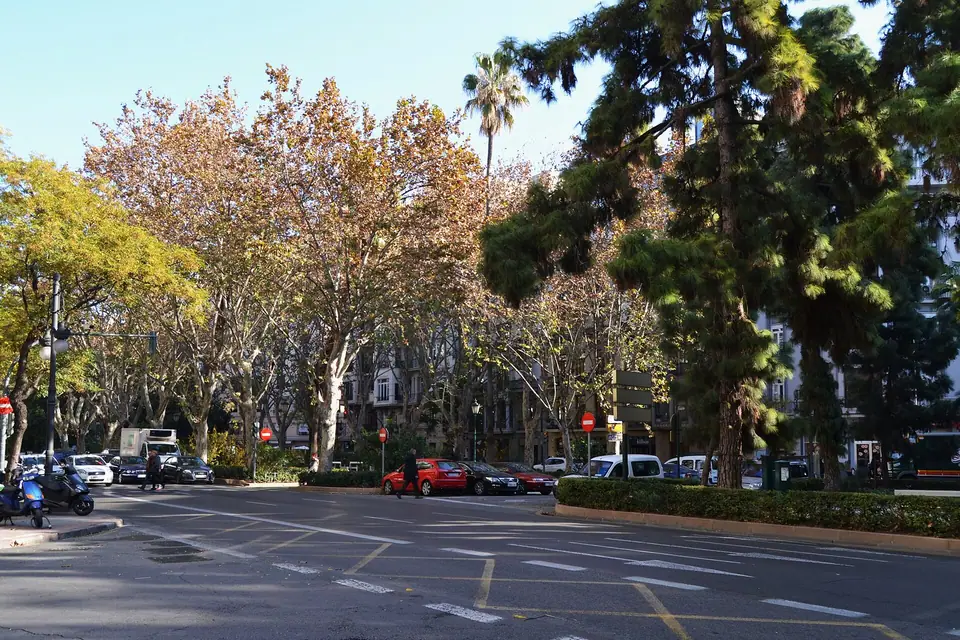
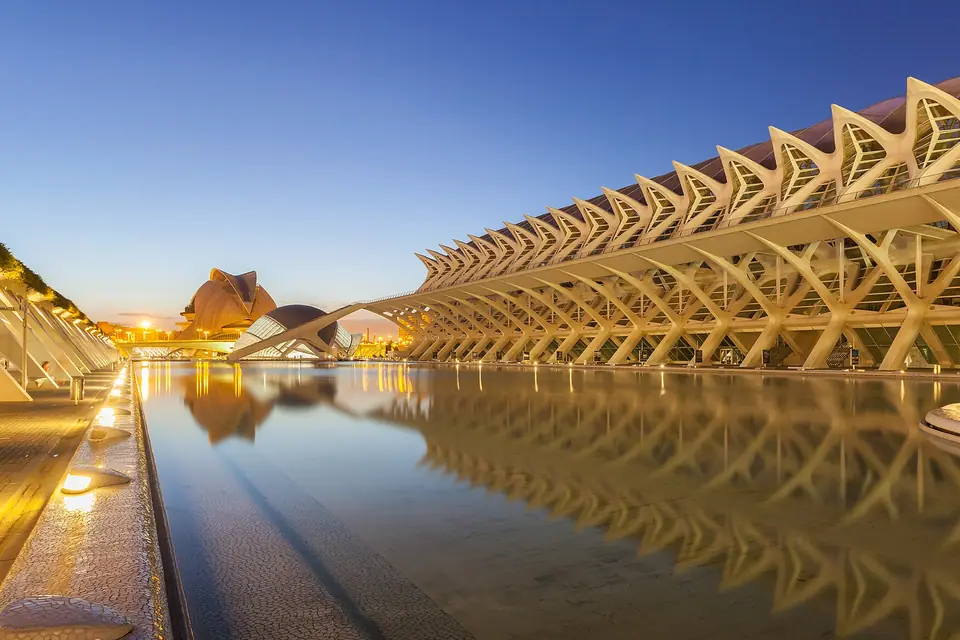
After the 1957 flood, the old Turia riverbed became one of the city’s green lungs. Visit València describes it as a green corridor of about 9 km crossing Valencia from west to east, ending at the City of Arts and Sciences, a futuristic complex near the Bioparc. You can walk or cycle it, or take a guided tour.
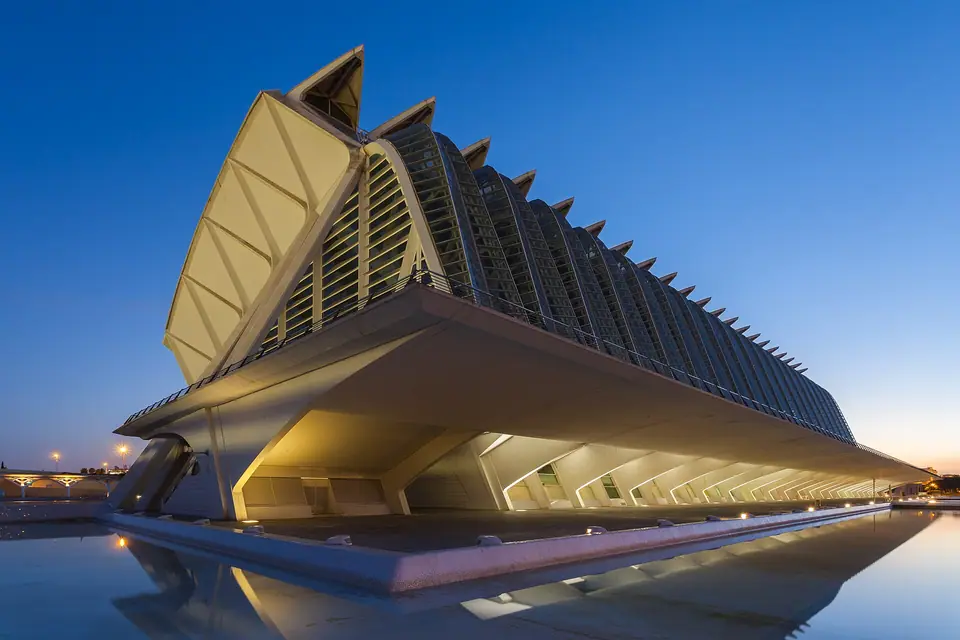
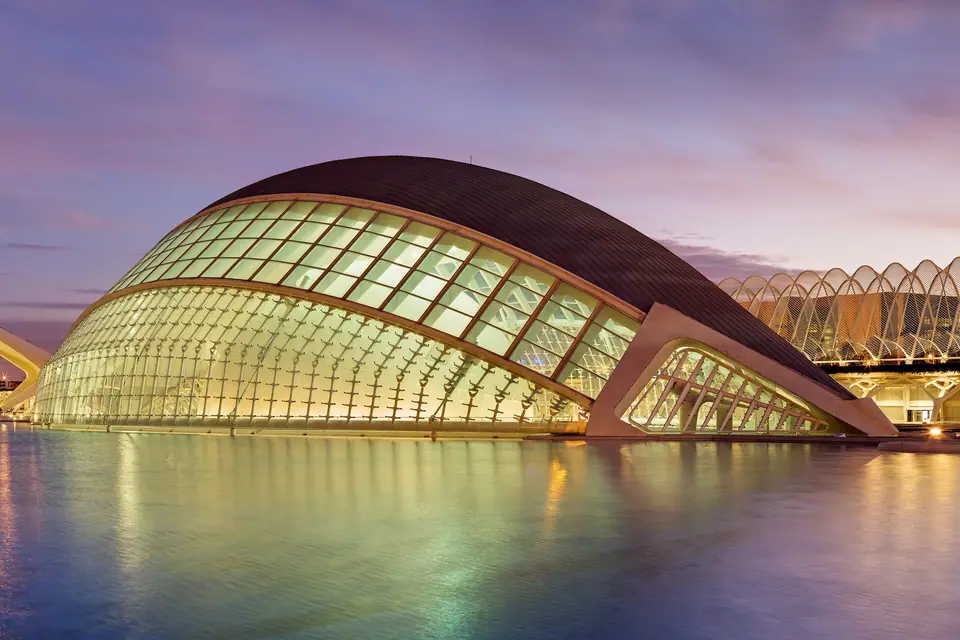
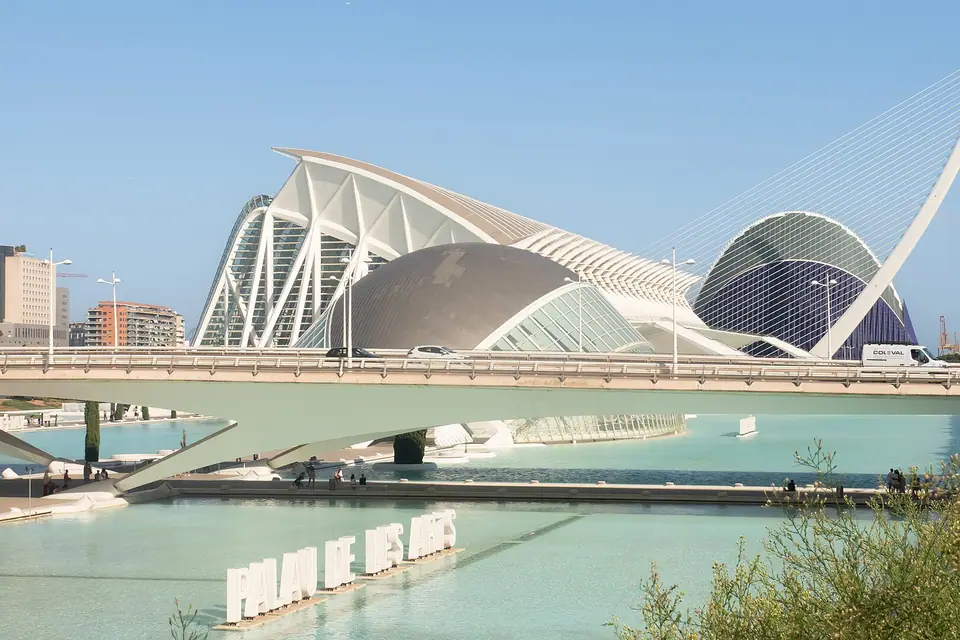
The complex holds the Oceanogràfic, the Hemisfèric, the Science Museum and the Palau de les Arts. There is a combined ticket for the Oceanogràfic, Science Museum and Hemisfèric. To get there, Visit València gives tram line 10 and several EMT buses (13, 19, 23, 24, 25, 35, 40, 94 and 95).
Oceanogràfic (Avanqua Oceanogràfic, S.L.)
Oceanogràfic: general admission
Ticket to the aquarium in the City of Arts and Sciences, priced by season.
Oceanogràfic (Avanqua Oceanogràfic, S.L.)
Oceanogràfic + Science Museum + Hemisfèric: combined ticket
Official combined ticket for the three venues, valid on three consecutive days.
Ciutat de les Arts i les Ciències (CACSA)
Hemisfèric: ticket for the screening
Ticket to the dome screenings at the Hemisfèric, about 45 minutes.
Ciutat de les Arts i les Ciències (CACSA)
Príncipe Felipe Science Museum: admission
Admission to the interactive science museum in the City of Arts and Sciences.
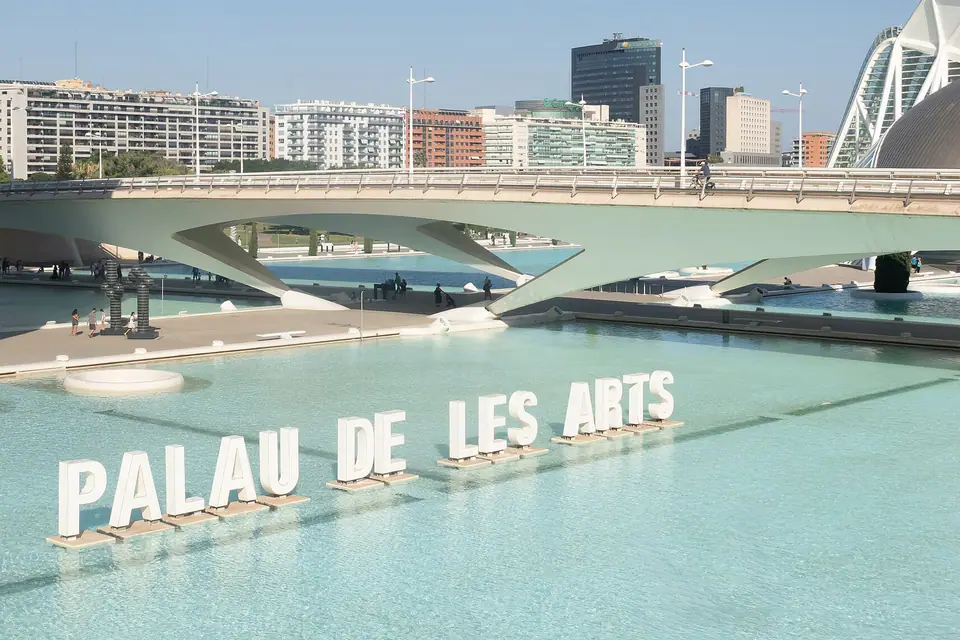
Palau de les Arts: guided tour
Guide-led visit of Calatrava's building, in Spanish or English.
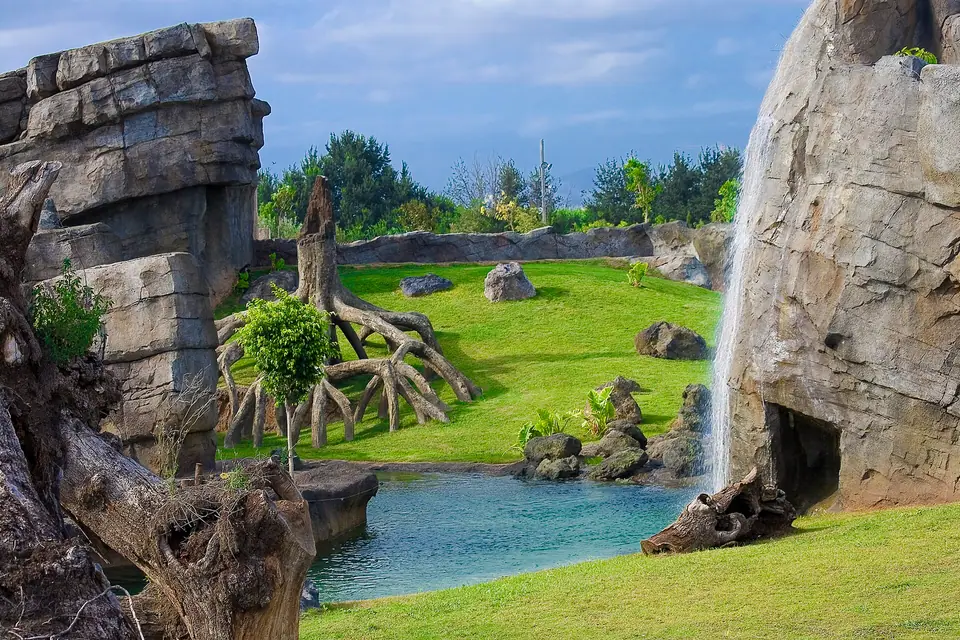
Bioparc València (Rain Forest Valencia, S.A.)
Bioparc València: day ticket
Day ticket to the immersive zoo, with an entry slot.
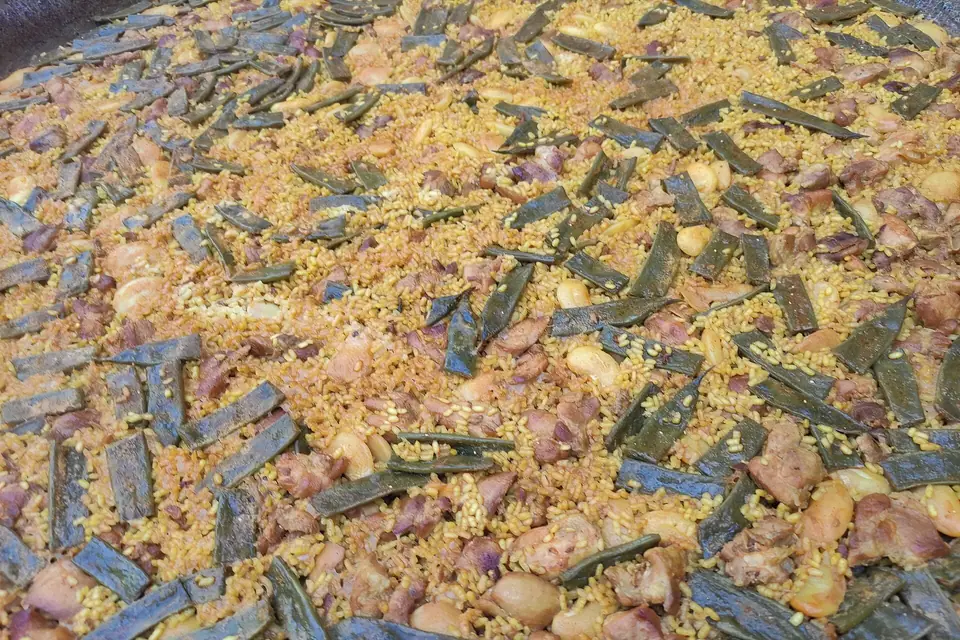
Valencia grand city bike tour: old town and City of Arts and Sciences
Guided 3-hour bike ride through Ciutat Vella, the Turia Gardens and the City of Arts and Sciences, with a multilingual guide.
Visit València (Fundació Visit València)
Valencia cycling tour with an official guide
3-hour bike ride with an official guide from Paseo de la Petxina, daily at 11:00; sold by the Visit València shop.
The sea: Cabanyal, Malva-rosa and the Marina
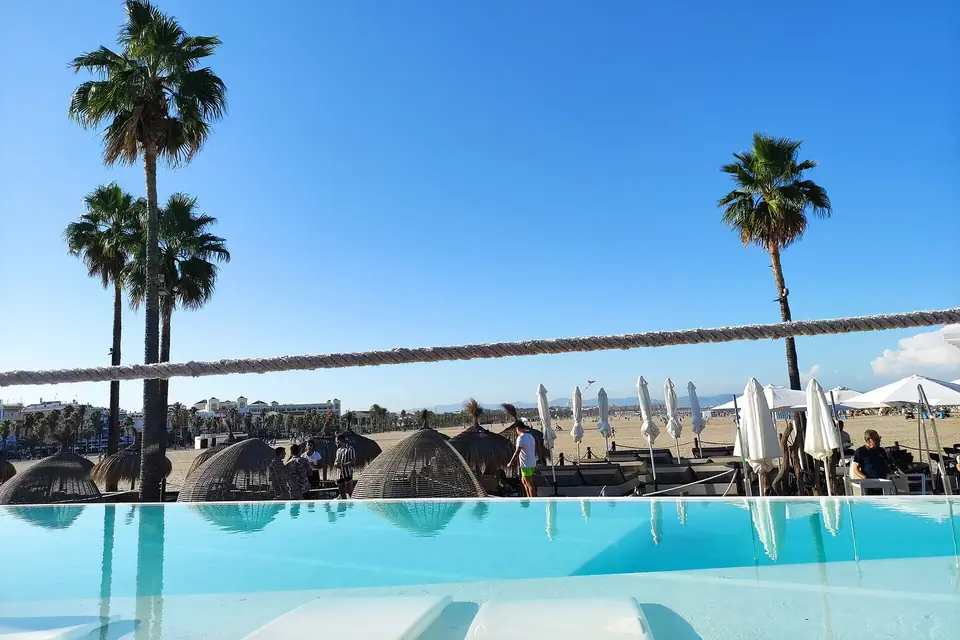
The city beaches are El Cabanyal and Malvarrosa; Visit València highlights the seafront promenade with tiled façades. You get there by tram (lines 4 and 6) or bus (4, 19, 32, 92 and 95), according to the same source. Catamarans and sailboats leave from the Marina, and there are stand-up paddle courses on the beach.
El Cabanyal also has a flamenco venue. Boat times and prices change with the season, so check each listing.
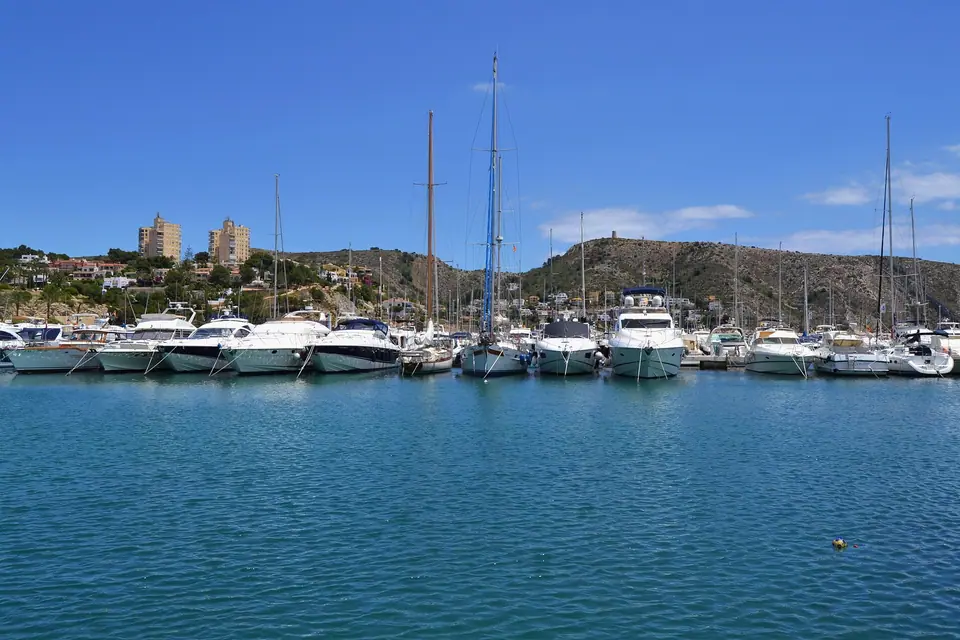
Sunset catamaran cruise from the Marina
1.5-hour catamaran trip around the bay with a glass of cava, from the pier next to Veles e Vents.
Sailing catamaran trip around the bay
Sailing catamaran trip on Valencia's bay from the port, suitable for all ages, from 9 EUR.
Catamaran trip with a swim stop
Catamaran trip with a swim stop at sea off Valencia's coast, from 19 EUR.
Sunset on a skippered sailboat from the Marina
1.5-hour trip on a shared sailboat (1 to 11 people) waiting for sunset, from Marina de València.

Stand-up paddle initiation course at Malvarrosa
1.5-hour introduction to stand-up paddle from the Malvarrosa school, for ages 8 and over.
Flamenco show at Tablao Palosanto, El Cabanyal
One-hour flamenco show in El Cabanyal; drinks are not included.
The Albufera and El Palmar
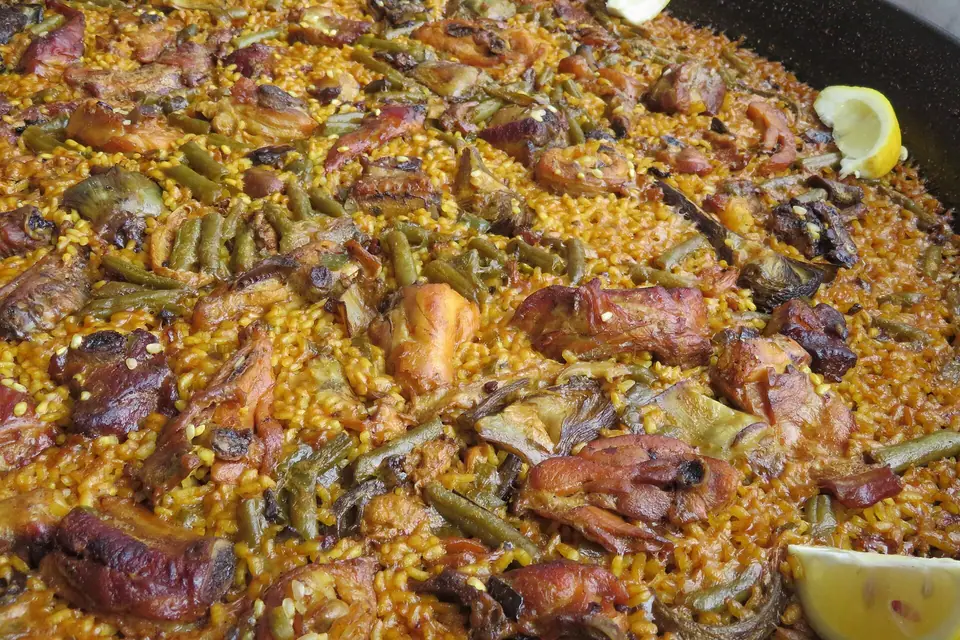
The Albufera is a natural park about 10 km from the city, with rice fields, dunes and, according to Visit València, the origin of paella. EMT line 25 reaches the boat landing area, where the boat rides leave from. We have a separate guide with all the details.
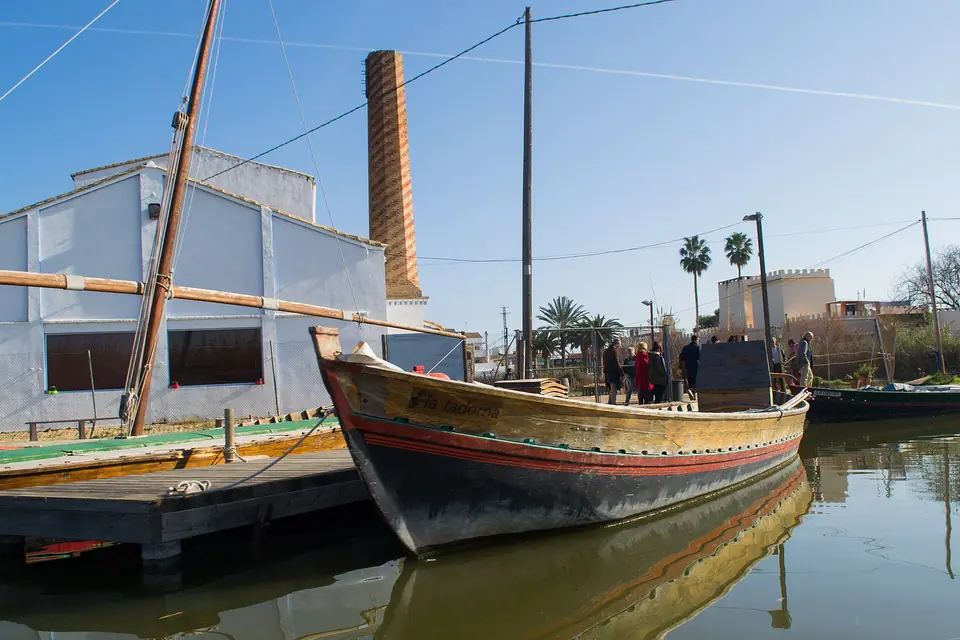
Embarcadero Rosa la Barquera y Tonet
Albufera boat ride with a barraca visit
Classic 40-minute boat ride on the lake from El Palmar, with a stop at a Valencian barraca.
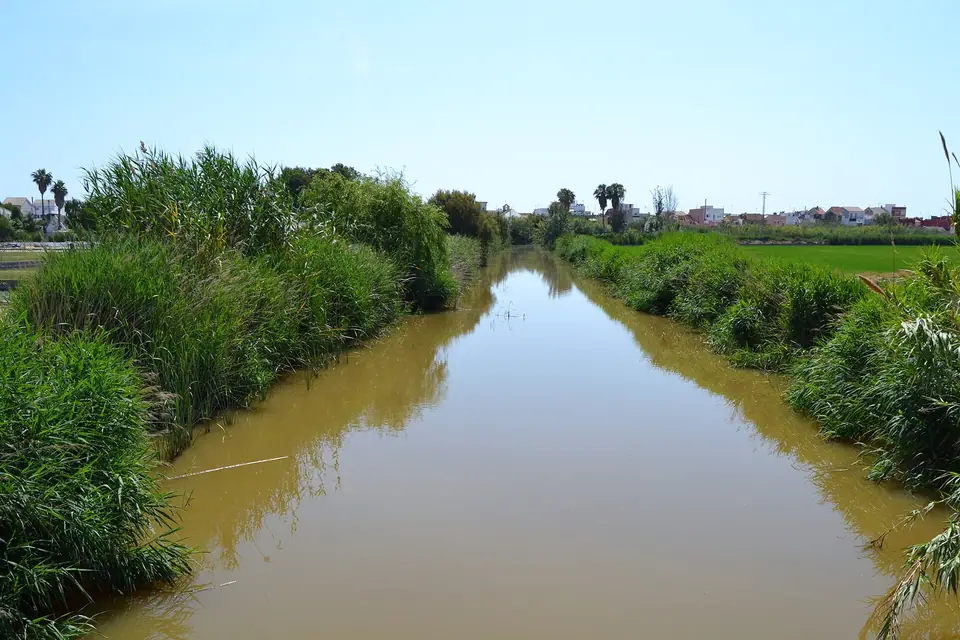
Albufera sunset ride
Boat ride sailing during sunset, 6.5 EUR per person according to the company website.
Embarcadero Rosa la Barquera y Tonet
Albufera boat ride and paella
Pier variant combining the boat ride with a paella; the website does not give the price.
Day trips
From Valencia you can reach Xàtiva (castle), Sagunt (castle and Roman theatre), Peníscola (Papa Luna castle) and the Utiel-Requena wine region in a day. Details for each are in the day-trip guide.
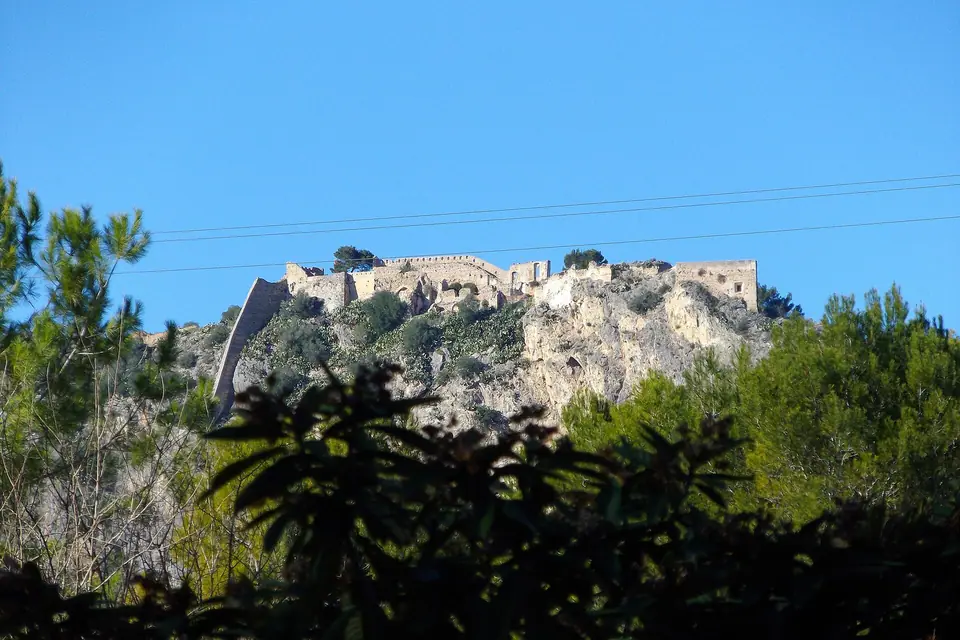
Castell de Xàtiva (Xàtiva Turisme)
Xàtiva Castle ticket
Official ticket to the hilltop castle; open Tuesday to Sunday with seasonal hours.
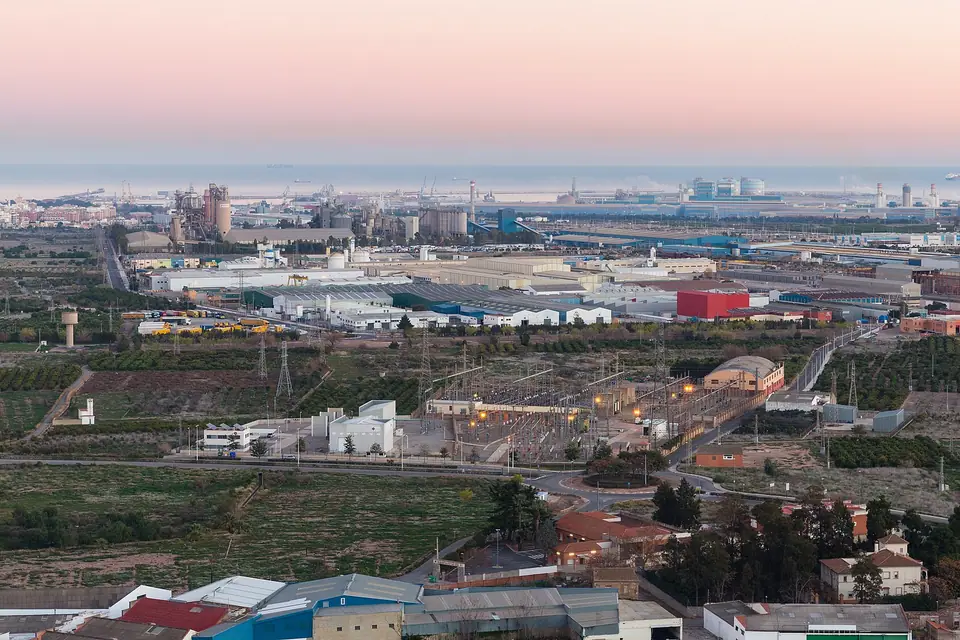
Castillo, Teatro Romano y Museo de Sagunt
Sagunt Castle and Roman Theatre (free admission)
Free access to the castle, Roman theatre and museums; closed Mondays with different winter and summer hours.
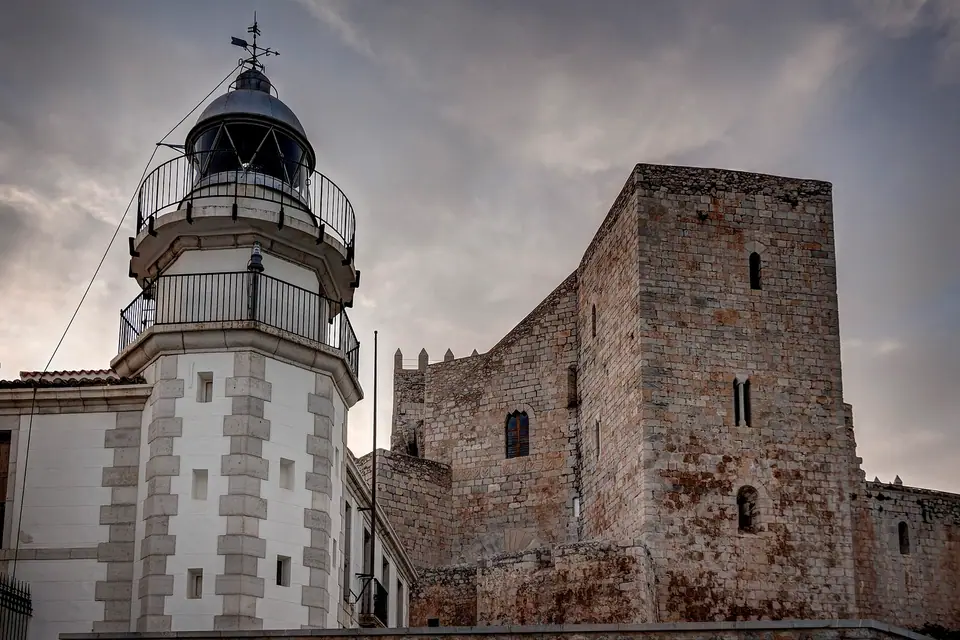
Castell de Peníscola (Diputació de Castelló)
Peníscola Castle ticket (Papa Luna)
Official ticket to the Papa Luna castle; 5 euros general, card payment only, with different winter and summer hours.
Utiel-Requena wine tour with two wineries (Valencia and Go, Tiqets)
Six hours with transport from València, visits to Murviedro (Requena) and Vera de Estenas (Utiel), two tastings of three wines each and snacks.
Getting around, how long to allow and when to go
Metrovalencia metro and tram: Visit València mentions 6 metro lines and 4 tram lines, with service every 10 minutes. Metro lines 3 and 5 go to the airport (so does Metrobus 150), and lines 3, 5 and 9 serve the historic centre (stops Xàtiva or Colón). A single EMT ticket costs €2 and allows no transfers; metro starts at €1.50. If you will travel a lot, the Valencia Tourist Card (24, 48 or 72 hours) includes public transport.
How long to allow is our own suggestion, not a sourced fact: two days cover the old town and the City of Arts and Sciences; with three or more, add the sea and the Albufera. On when to go, Wikipedia describes mild winters and hot, dry summers; for winter see our own guide.
Visit València (Fundació Visit València)
Valencia Tourist Card, 24, 48 or 72 hours
Card with unlimited public transport and entry to municipal museums and monuments.
Valencia Bus Turístic (Viajes Transvía Tours, S.L.)
Valencia sightseeing bus: 24 or 48-hour ticket
Hop-on hop-off panoramic bus, about 2 hours, 17 stops.
Official sources
Our own wording, drawn from these sources up to 25 November 2026. Rules and traffic restrictions change, so check before you travel.
Frequently asked questions
How many days do you need to see Valencia?
Our own estimate: two days for the old town and the City of Arts and Sciences, and one or two more for the beach, the Albufera or a day trip.
How do I get from the airport to the centre?
By metro, lines 3 and 5, or Metrobus 150, according to Visit València. The 150 takes about 45 minutes and stops at Ángel Guimerà, Mercat Central and Av. Ramón y Cajal.
How much does public transport cost?
A single EMT ticket costs €2 (no transfers) and metro runs from €1.50 up to €4.80 to the airport, plus the reusable card. Prices from Visit València; they may change.
What does the Valencia Tourist Card include?
According to Visit València: unlimited travel on the network (metro, EMT, tram and commuter trains) for 24, 48 or 72 hours, free entry to municipal museums and monuments, and discounts. It activates on first use.
Atlas de Valencia editorial team · reviewed on 25 November 2026
More guides
- The Albufera of Valencia: how to get there by bus, boat and sunset
- Oceanogràfic Valencia tickets: prices, opening hours and combined passes
- Day trips from Valencia: how to get there and what to see
- The Fallas of Valencia: what they are, calendar and tips for 2027
- Valencia in 3 days: an itinerary by area, with prices and opening hours
- Valencia in winter: weather from November to February and things to do
- Valencia plans for rainy days
- Valencia with children: family plans
- Free or cheap plans in Valencia
- Gentle plans in Valencia