Guide
Day trips from Valencia: how to get there and what to see
Day trips from Valencia by train or bus: Xàtiva castle, Sagunt castle and Roman theatre, Peníscola and wine in Utiel-Requena, with organised tours.

In short
Four day trips work from Valencia: Xàtiva (about 62 km away, castle a National Monument) and Sagunt (about 30 km, castle and Roman theatre), both by commuter train in 30 to 60 minutes; Peníscola, with no direct train and about 2 h 15 by bus; and the wines of Utiel-Requena, easier on an organised tour.
Four trips work well from Valencia in a day: Xàtiva and Sagunt, which you can do by commuter train, Peníscola, which is further, and the Utiel-Requena wine area. Each has its castle or its wineries and can be done on your own or on an organised tour.
The travel times we give come from comparison sites such as Omio (not Renfe) and vary by train; they are approximate (consulted 21 November 2026). For same-day times see renfe.com.
Ready to book
- Utiel-Requena wine tour with two wineries (Valencia and Go, Tiqets)from €95 · 6 h Book on Tiqets (opens in a new tab)
- Peñíscola day tour with Game of Thrones sites (Batwalking, Tiqets)from €89 · 8.5 h Book on Tiqets (opens in a new tab)
- Morella and Peñíscola day tour with lunch (Valencia and Go, Tiqets)from €130 · 10 h Book on Tiqets (opens in a new tab)
Some links are affiliate links: book through them and we may earn a commission, with no extra cost to you. What affiliate links are
Xàtiva: castle and birthplace of the Borgias
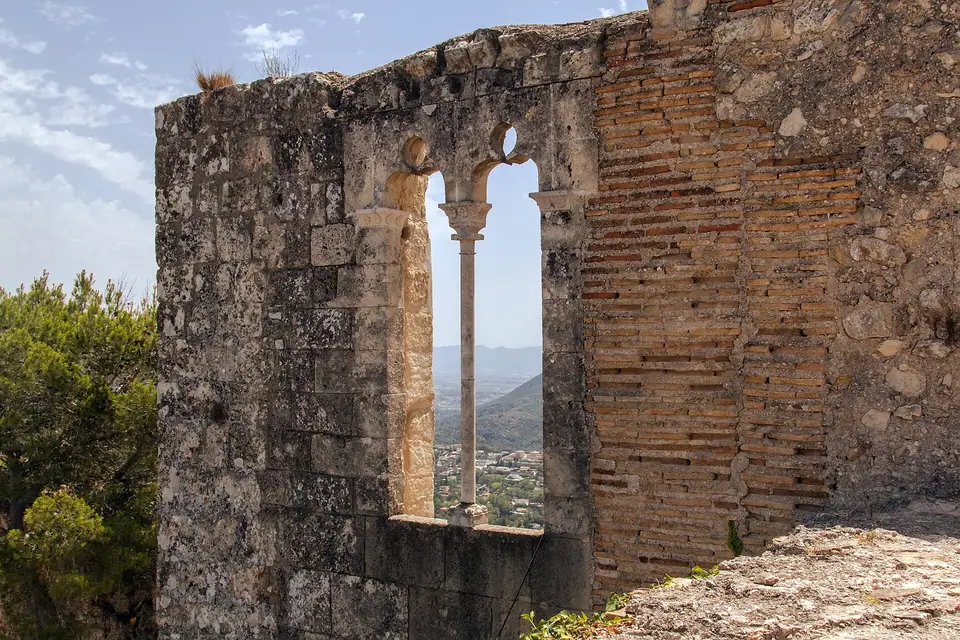
Xàtiva is about 62 km from Valencia (Wikipedia). Its castle, on the Bernisa range, was considered the strongest fortress in the Kingdom of Valencia and has been a National Monument since 1931. The town is the birthplace of two Borgia popes, Callixtus III and Alexander VI, and its Collegiate Church, the Seu, was built from 1596 over a former mosque.
By train, comparison sites give about an hour for a direct C2 from Estació del Nord. A guided castle visit and the castle ticket are on the cards.
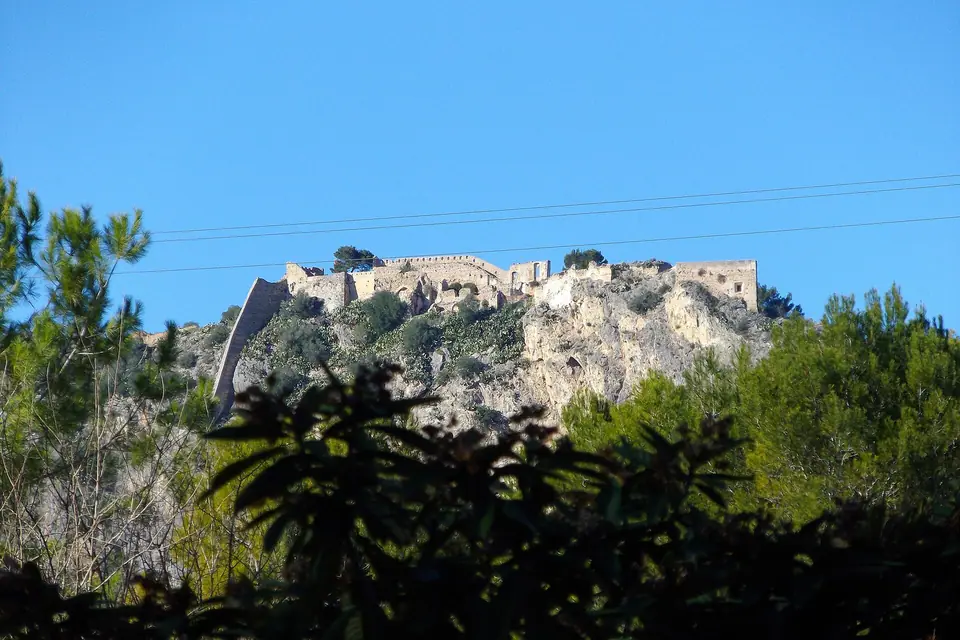
Castell de Xàtiva (Xàtiva Turisme)
Xàtiva Castle ticket
Official ticket to the hilltop castle; open Tuesday to Sunday with seasonal hours.
Guided visit to Xàtiva Castle (Love Xàtiva Tours)
A guided visit of an hour and a quarter that starts at the castle desk; getting there is not included.
Sagunt: castle and Roman theatre
Sagunt lies about 30 km north of Valencia (Wikipedia). Much of the castle’s walls survive, of Roman and Moorish origin. The Roman theatre, on the northern slope of the citadel hill, was the first National Monument declared in Spain, in 1896.
By commuter train, aggregators give roughly 30 to 45 minutes depending on the departure stop. Entry to the castle and theatre is listed as free on its card.

Castillo, Teatro Romano y Museo de Sagunt
Sagunt Castle and Roman Theatre (free admission)
Free access to the castle, Roman theatre and museums; closed Mondays with different winter and summer hours.
Peníscola: the Papa Luna castle
Peníscola is on the Costa del Azahar, in Castellón, on a rocky headland joined to the mainland by a narrow strip. The Templars began the castle between 1294 and 1307, and antipope Benedict XIII, Pedro de Luna, lived there, hence its name. “El Cid” was partly filmed there (Wikipedia).
It is the furthest: there is no direct train; according to Eurovista you take a regional train to Benicarló-Peñíscola and continue by bus or taxi. The direct Hife bus takes around 2 h 15 according to Omio. That is why many go on an organised tour of 8.5 to 10 hours.
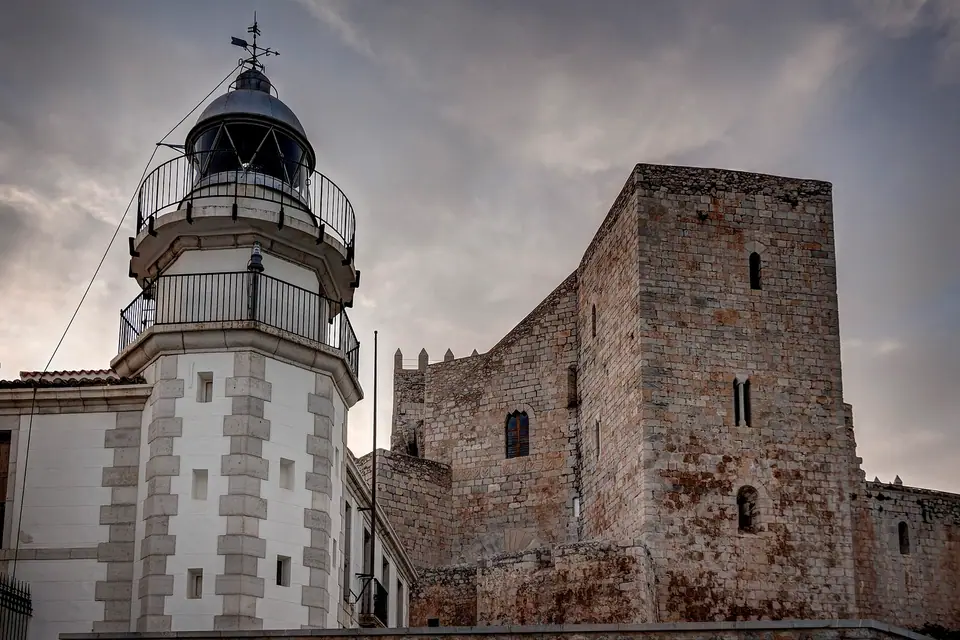
Castell de Peníscola (Diputació de Castelló)
Peníscola Castle ticket (Papa Luna)
Official ticket to the Papa Luna castle; 5 euros general, card payment only, with different winter and summer hours.
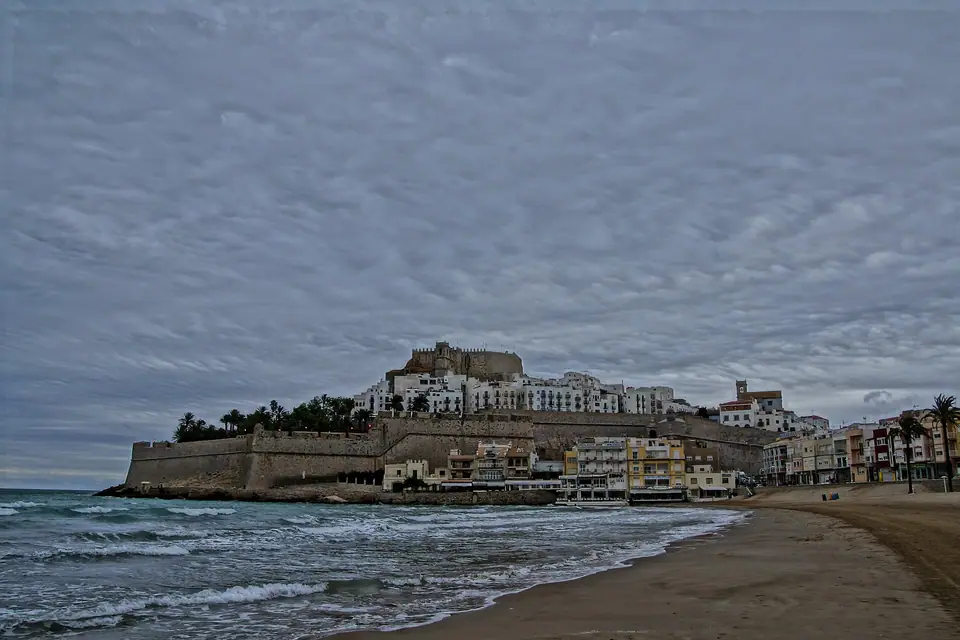
Peñíscola day tour with Game of Thrones sites (Batwalking, Tiqets)
8.5 hours with an air-conditioned coach, live guide, castle entry, one hour of free time and water.
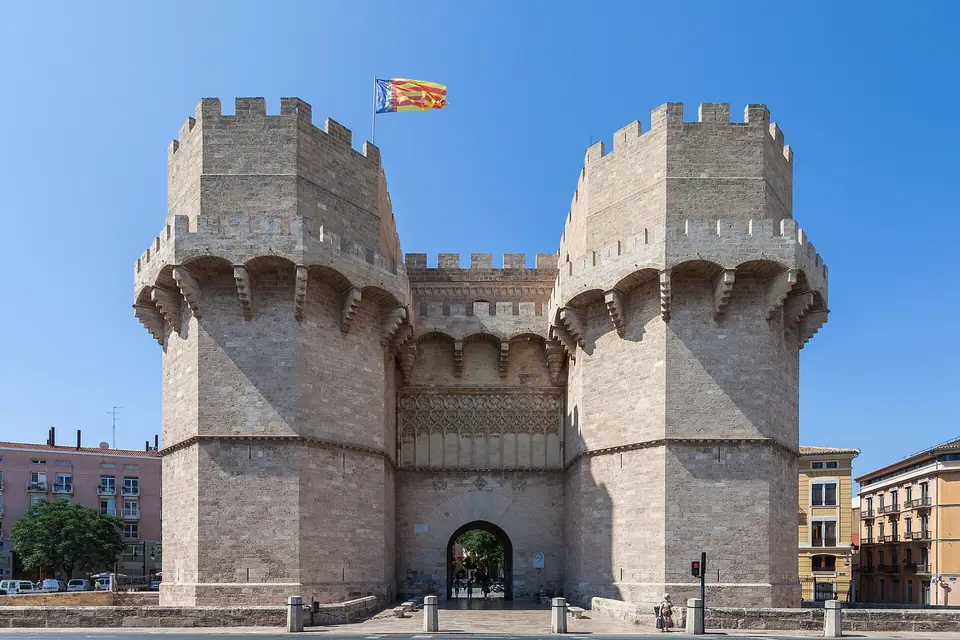
Morella and Peñíscola day tour with lunch (Valencia and Go, Tiqets)
Ten hours with transport from València, Morella castle, basilica and cloister, lunch and a guide in English and Spanish.
Utiel-Requena: wine within reach
Utiel-Requena is a wine region in Valencia province with Protected Designation of Origin since 1932; according to Wikipedia it has 59 wineries and 34,510 ha of vineyards, with Bobal covering over 80%. Comparison sites give about 25 minutes by AVANT train to Requena-Utiel and 1 h 25 to 2 h by bus; the figures do not agree, so confirm with Renfe. Without a car, a wine tour with pick-up is the easy option.
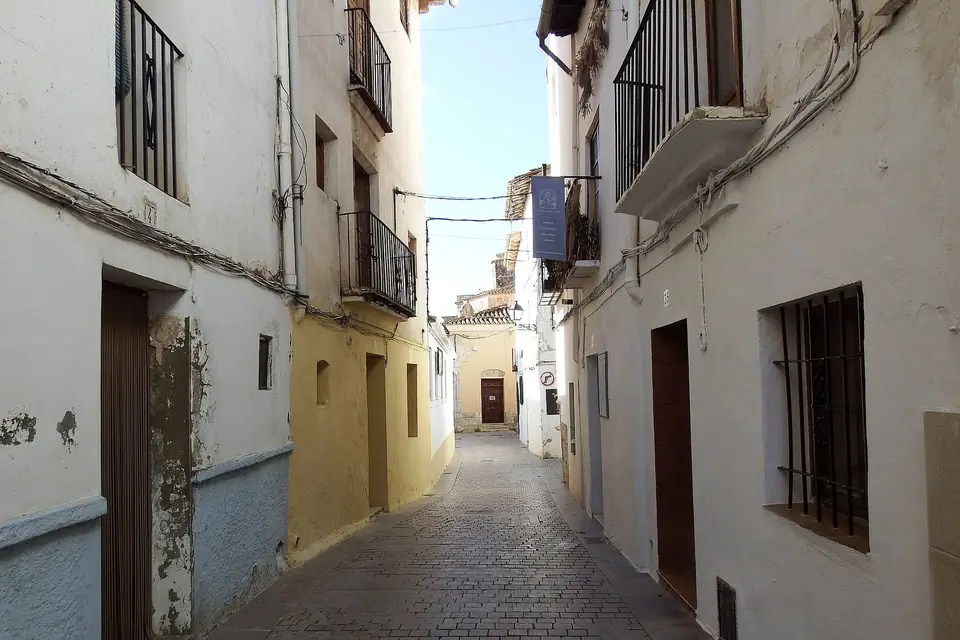
Utiel-Requena wine tour with two wineries (Valencia and Go, Tiqets)
Six hours with transport from València, visits to Murviedro (Requena) and Vera de Estenas (Utiel), two tastings of three wines each and snacks.
Train or organised tour
For Xàtiva and Sagunt the train on your own is enough. For Peníscola and Utiel-Requena, an organised tour saves connections. Always compare each operator’s offer and read what it includes.
Official sources
Our own wording, drawn from these sources up to 25 November 2026. Rules and traffic restrictions change, so check before you travel.
Frequently asked questions
How long is the train from Valencia to Xàtiva?
About 58 to 62 minutes on a direct C2 from Estació del Nord, according to Omio timetables. Confirm at renfe.com.
Is there a direct train to Peníscola?
No, according to Eurovista: you get off at Benicarló-Peñíscola and continue by bus or taxi. There is a direct Hife bus.
Is there an entrance fee at Sagunt castle?
On our listing it is shown as free; confirm the conditions on the official website.
Which grape dominates Utiel-Requena?
Bobal, with over 80% of the vineyards according to Wikipedia.
Atlas de Valencia editorial team · reviewed on 25 November 2026
More guides
- The Albufera of Valencia: how to get there by bus, boat and sunset
- Oceanogràfic Valencia tickets: prices, opening hours and combined passes
- The Fallas of Valencia: what they are, calendar and tips for 2027
- Things to do in Valencia: a guide by area, with transport and tickets
- Valencia in 3 days: an itinerary by area, with prices and opening hours
- Valencia in winter: weather from November to February and things to do
- Valencia plans for rainy days
- Valencia with children: family plans
- Free or cheap plans in Valencia
- Gentle plans in Valencia